
The Phoenix housing market tells a different story than most people expect when they hear about seller concessions.
You walk through a home priced at $520,000 in Ahwatukee. The listing mentions $10,000 in seller concessions toward closing costs. Down the street, another home sits with a rate buydown offer. A third property advertises money for repairs.
This feels like the new normal. Sellers offering incentives to close deals. The obvious conclusion: concessions have replaced the bidding wars of 2021 and 2022.
But the data reveals something more nuanced.

The Numbers Behind the Narrative
Phoenix recorded seller concessions in 51.2% of home sales during the first quarter of 2025. That's more than half of all transactions including some form of seller incentive.
The detail that changes everything: this number represents a decline of 3.5 percentage points from the previous year.
Phoenix sits among a small group of markets: Miami, San Antonio, Tampa: where concession rates are actually falling. This runs counter to the national trend of rising concessions in cities like Seattle, where 71.3% of sales now include seller incentives.
The difference explains itself once you understand what's already happened here.
What Cooling Looks Like
You notice the shift in how homes are priced. Sellers in Phoenix have begun adjusting their expectations before listing, not after months on the market.
This preemptive pricing strategy reduces the need for concessions later. When a home is priced closer to market reality from day one, buyers don't need as much help closing the gap.
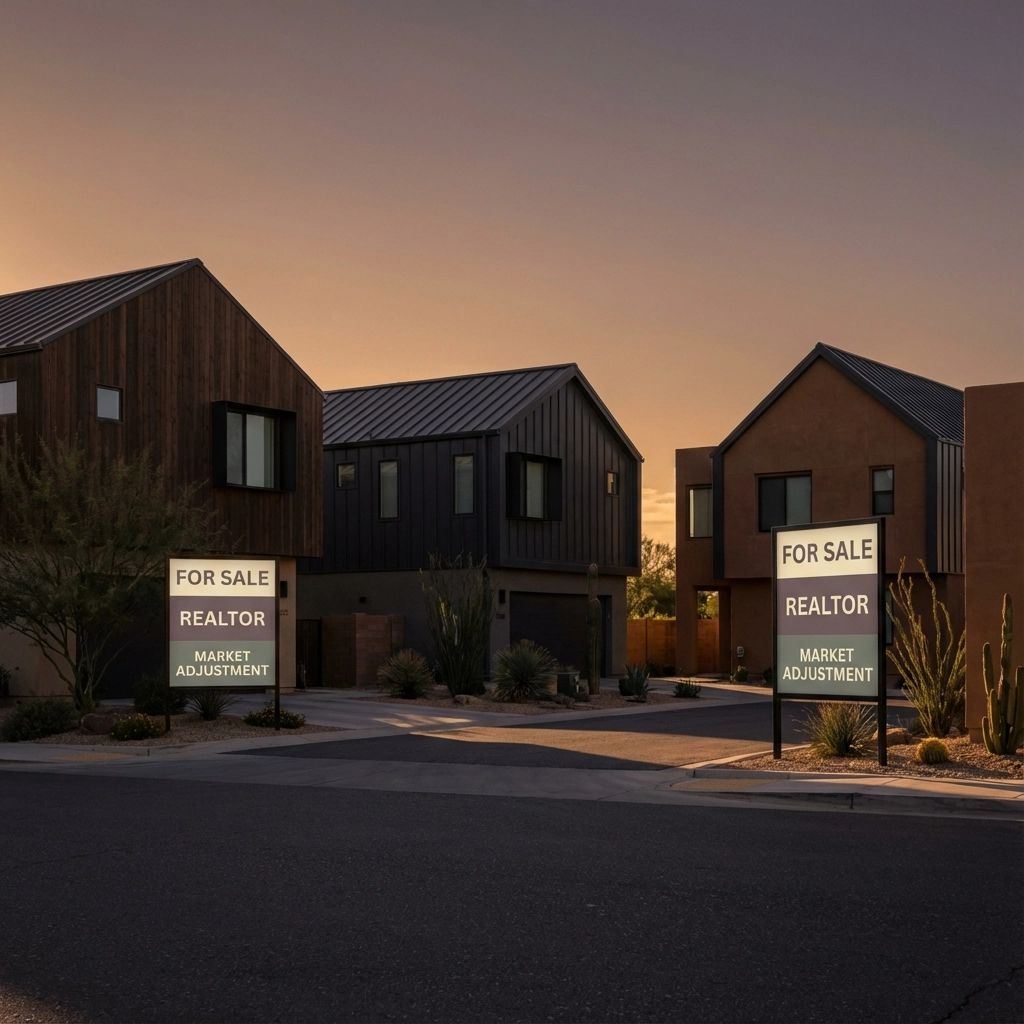
The contrast becomes clear when you compare Phoenix to still-hot markets. In Seattle or Portland, sellers still list at optimistic prices, then negotiate down through concessions. In Phoenix, that negotiation often happens internally before the listing goes live.
This doesn't mean the market has become easy. It means the difficulty has shifted from competition among buyers to realistic pricing by sellers.
Where Concessions Still Matter
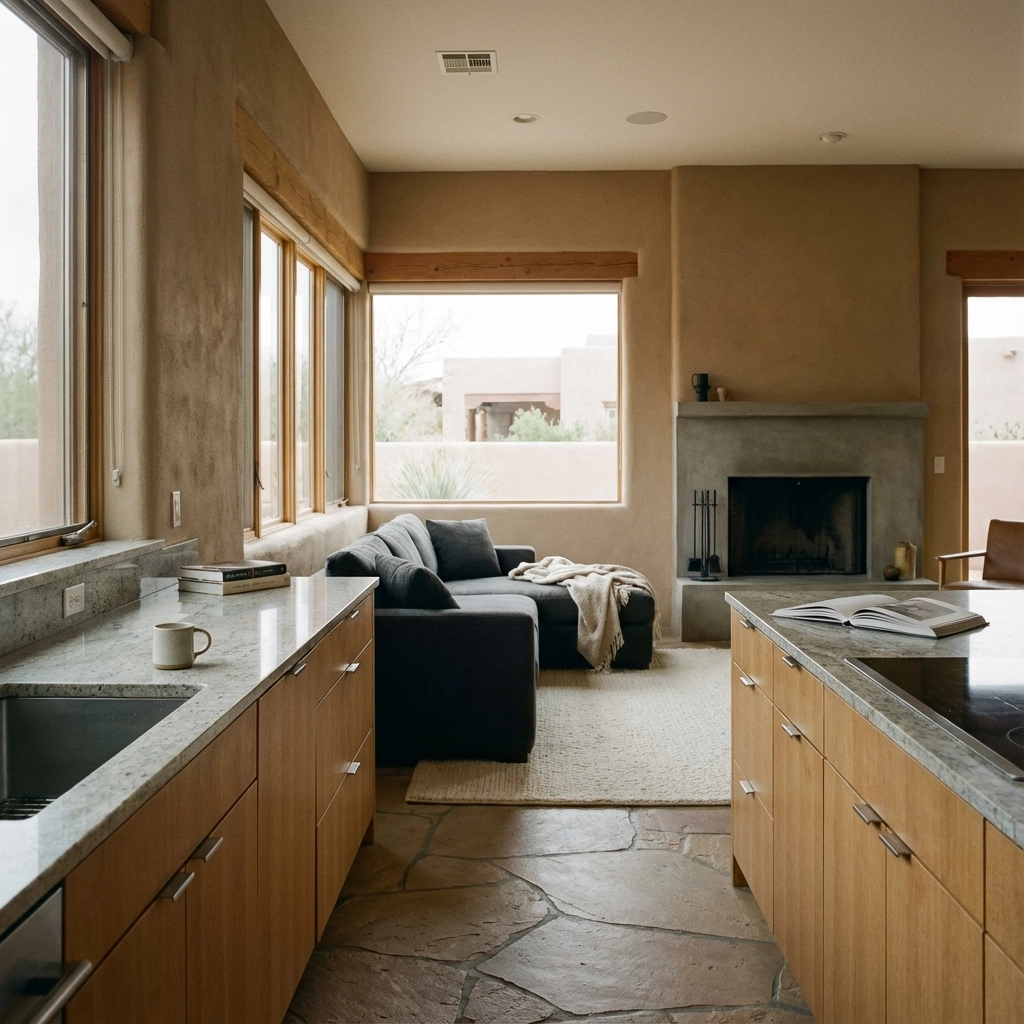
The middle market tells a different story. More than half of transactions between $200,000 and $600,000 in Phoenix include concessions.
Builders have extended their incentive programs longer than many expected. Rate buydowns, closing cost assistance, and upgrade credits remain standard tools in new construction sales.
You see this most clearly in master-planned communities where builders control both inventory and pricing. A 2% rate buydown for the first two years, $15,000 toward closing costs, or upgraded appliances become part of the transaction structure rather than negotiated exceptions.
Resale homes in this price range operate similarly. Sellers recognize that buyers stretching to afford a $450,000 home often need help with the additional costs that make homeownership possible.
The Types of Help Being Offered
Seller concessions in Phoenix typically fall into three categories.
Closing cost assistance covers title fees, inspections, and loan origination costs. This directly reduces the cash needed at closing, often making the difference between a qualified buyer and a funded transaction.
Rate buydowns temporarily reduce mortgage payments. A seller might pay $8,000 upfront to lower a buyer's interest rate from 6.8% to 5.8% for the first year, then 6.3% for the second year.
Repair credits address issues discovered during inspection without requiring the seller to complete work before closing. The buyer receives funds to handle repairs after taking ownership.
Each type serves a different constraint buyers face in the current environment.
The Luxury Exception
Homes above $800,000 operate by different rules. Concessions become less common as price points rise, but they don't disappear entirely.
High-end sellers might offer rate buydowns on larger loans where the dollar impact becomes meaningful. A 1% rate reduction on a $1.2 million mortgage saves significantly more monthly than the same reduction on a $400,000 loan.

Luxury concessions often take non-monetary forms. Extended closing timelines, inclusion of high-end furnishings, or assumption of HOA transfer fees become negotiating points that don't appear in concession statistics but serve similar functions.
The psychology shifts at this price point. Buyers have more flexibility, sellers have more equity, and the negotiation becomes less about necessity and more about preference.
What This Means for Market Timing
The concession landscape in Phoenix reflects a market that has already adjusted to new realities rather than one still struggling with them.
You see this in how quickly properly priced homes move compared to optimistically priced ones. The former often sell without concessions within 30 days. The latter sit, get reduced, and eventually sell with incentives after 60 to 90 days on market.
For buyers, this creates an interesting dynamic. The best deals might not be homes with the largest concession offers, but homes priced correctly from the start where negotiation can focus on terms rather than price gaps.
For sellers, the data suggests that competitive upfront pricing often works better than high list prices with built-in concession expectations.
The Broader Context
Phoenix's declining concession rates signal a market that has found its footing after the dramatic shifts of recent years. Unlike markets still experiencing rapid changes, Phoenix appears to have settled into a more predictable rhythm.
This doesn't mean activity has slowed dramatically. It means the mechanisms of buying and selling have become more straightforward. Less drama in individual transactions, more focus on fundamentals like location, condition, and realistic pricing.
The "concession game" exists, but it's not replacing bidding wars so much as providing a different way to structure deals in a market where buyers and sellers both have reasonable expectations.
You adapt to the environment you're actually in, not the one you remember or the one you read about happening elsewhere.
Image Brief for Jordan:
Look for local Phoenix real estate photography showing: 1) A modern Phoenix home's front exterior with desert landscaping (hero reinforcement), 2) Interior shot of a kitchen/living space showing the quality buyers expect in the $400-600k range, 3) Phoenix neighborhood street view showing the suburban context where most concessions happen, 4) A "For Sale" sign in front of a Phoenix home (to illustrate the pricing discussion), and 5) An exterior shot of a luxury Arcadia or Paradise Valley home (for the luxury exception section). All should feel authentic to Phoenix/Scottsdale rather than generic real estate stock photos.