When TSMC announced an additional $100 billion commitment to Arizona in March 2025, bringing their total investment to $165 billion, most people focused on the obvious story. Semiconductor jobs. North Phoenix. Manufacturing corridors.
The deeper story is happening everywhere else.
You can see it in Scottsdale office buildings where tech companies are quietly expanding. In central Phoenix neighborhoods where young engineers are choosing walkable streets over suburban subdivisions. In commercial developments across the Valley that suddenly make sense to national retailers who previously wrote off Phoenix as too sprawling, too car-dependent.
The investment isn't just creating jobs. It's rewriting how companies think about Phoenix as a place to build long-term operations.
The talent magnet effect
TSMC's Arizona operations will employ tens of thousands of people earning well above Phoenix's median income. Many of these roles start around $100,000 annually, with senior positions reaching significantly higher.
But the real estate impact extends beyond housing demand. These workers bring different expectations about their environment. They're used to urban density from previous assignments in Taiwan, California, or other tech hubs. They want proximity to airports, cultural amenities, and professional services.
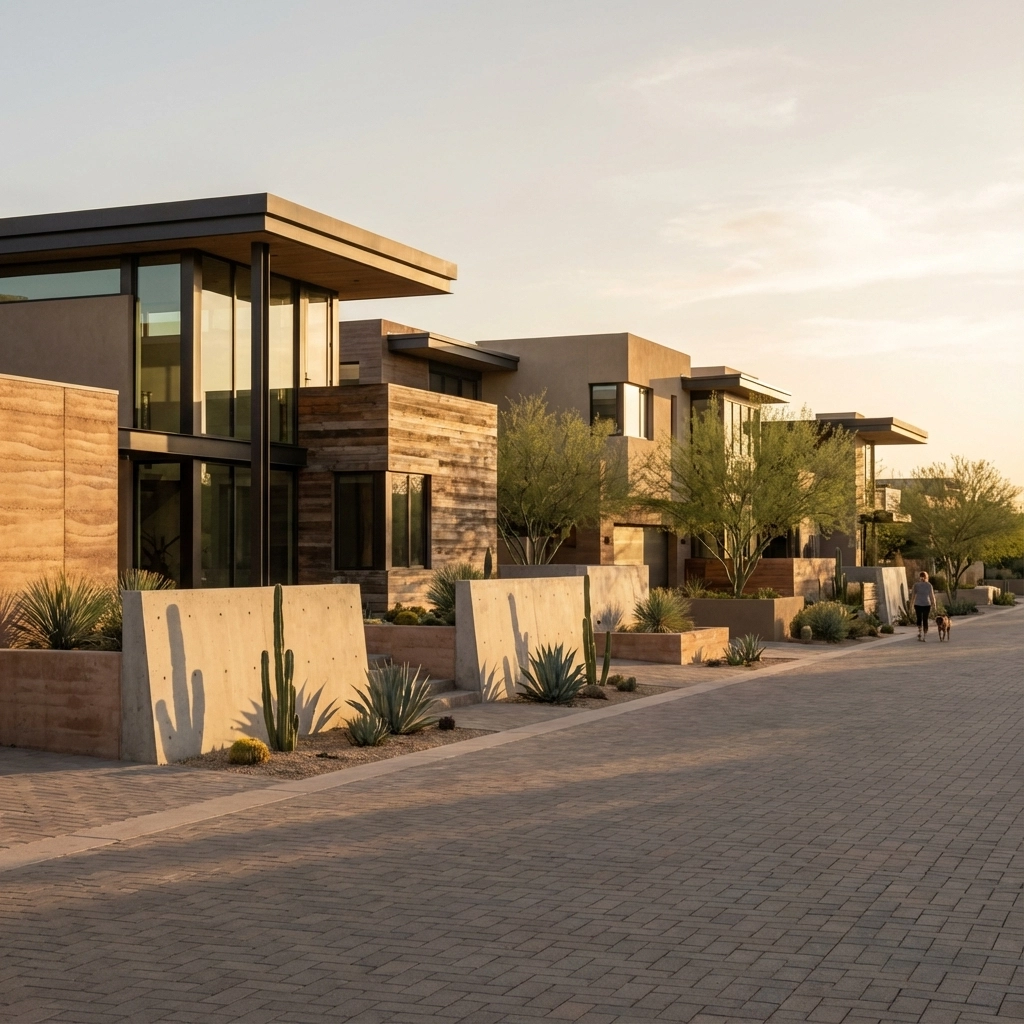
This preference pattern is showing up in neighborhoods you wouldn't immediately connect to semiconductor manufacturing. Areas like Arcadia, central Scottsdale, and even parts of downtown Phoenix are seeing increased interest from tech professionals who prioritize lifestyle access over proximity to the fab sites.
The result is a slow but steady shift in what types of homes and neighborhoods command premium pricing across the Valley.
Commercial real estate beyond the obvious
While North Phoenix industrial real estate gets the headlines, the commercial story is more distributed. Companies building supplier networks, professional services, and support operations for TSMC aren't all locating near the fabs.
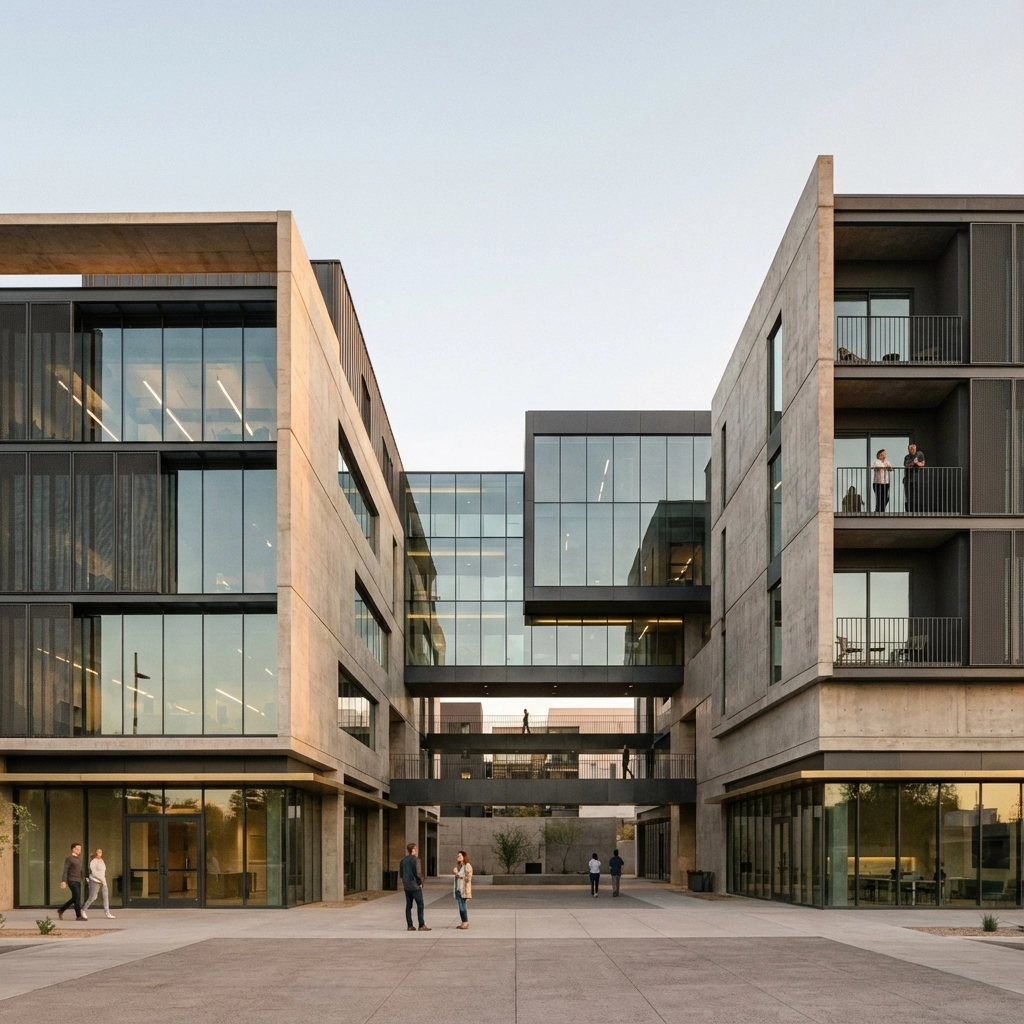
The CityNorth Mixed-Use Center represents the most visible example of this broader development pattern. This 100-acre, $2 billion project combines retail, office, and residential space in a way that reflects changing expectations about work environments. When Republic Services selected CityNorth for its new headquarters, it signaled something larger than individual company decisions.
Corporate relocations and expansions tied to the semiconductor ecosystem are choosing locations based on talent attraction rather than pure logistics. That means proximity to Sky Harbor, access to quality dining and entertainment, and environments that feel cosmopolitan rather than purely suburban.
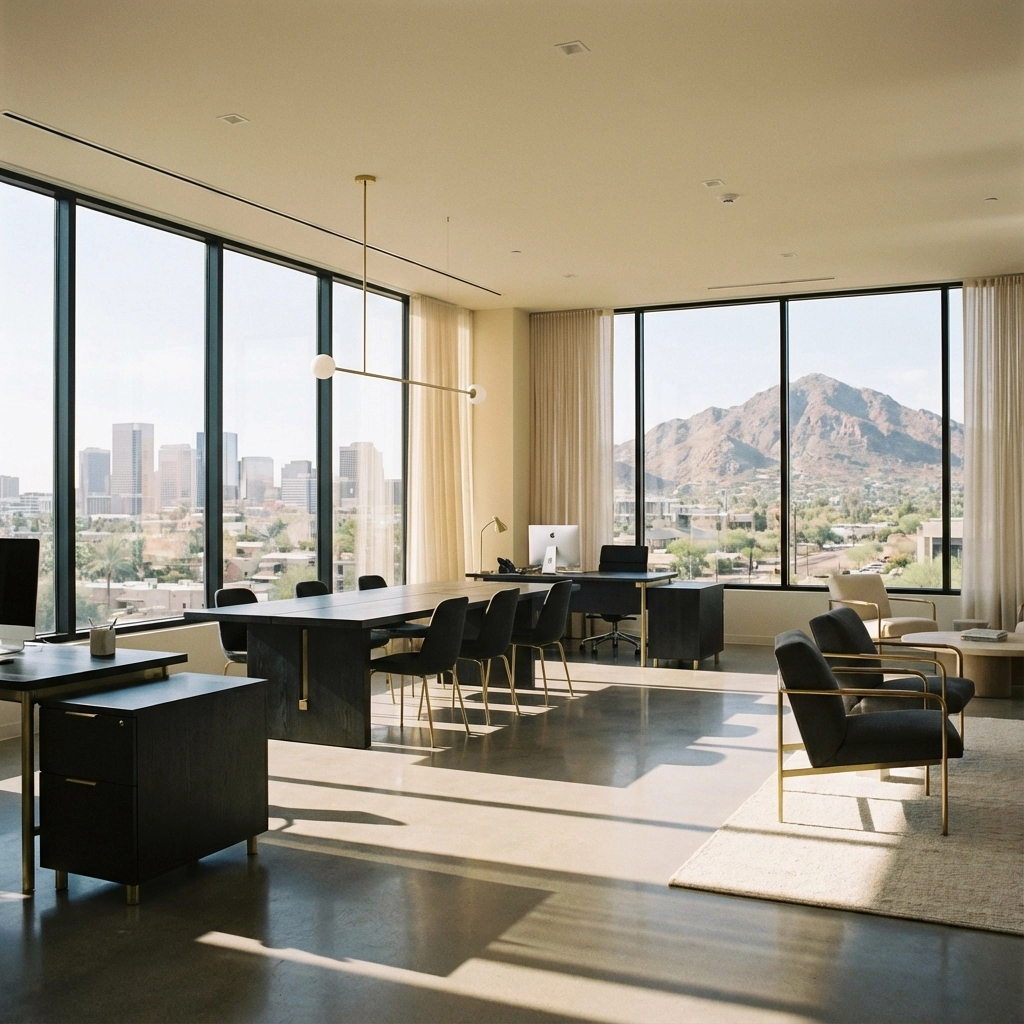
You can see this shift in lease activity across Scottsdale office parks, downtown Phoenix high-rises, and even some Tempe developments near ASU. Companies want space that helps them compete for the same talent pool that TSMC is drawing to the region.
Infrastructure as real estate catalyst
The infrastructure investments surrounding TSMC's expansion reach far beyond the immediate manufacturing zone. Transportation improvements, utility upgrades, and digital infrastructure enhancements are creating value in unexpected places.
Sky Harbor's expansion plans, driven partly by increased business travel to and from Asia, improve connectivity for the entire Valley. The airport improvements make Phoenix more attractive to companies considering regional headquarters or significant operations.
Power grid enhancements and water infrastructure investments, necessary to support semiconductor manufacturing, benefit other industrial and commercial users throughout the region. Areas previously constrained by utility capacity suddenly become viable for large-scale development.
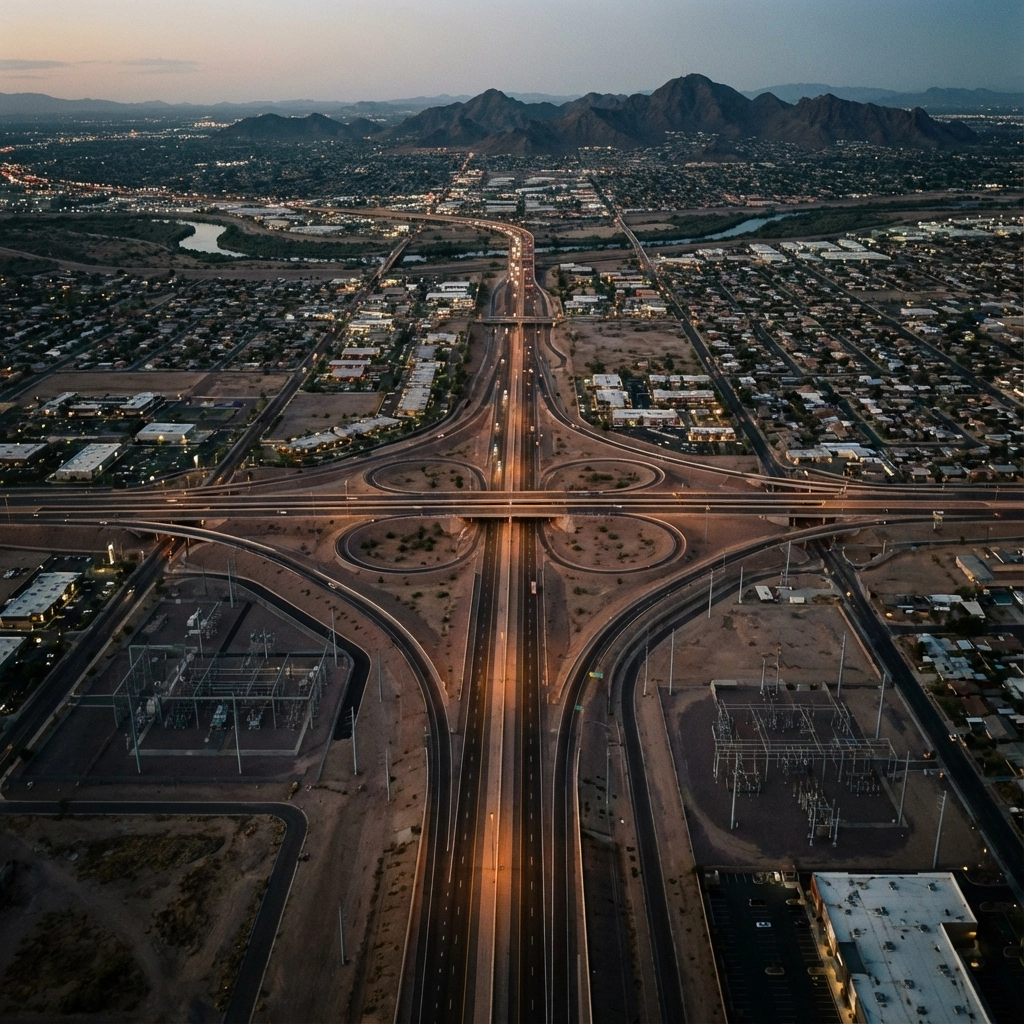
High-speed internet infrastructure, built to support TSMC's data-intensive operations, creates opportunities for other tech companies to establish or expand operations across the Valley. The improved digital backbone makes remote work more reliable and supports the kind of hybrid work arrangements that tech talent expects.
Residential patterns shifting
The housing impact goes beyond simple supply and demand. TSMC's workforce brings different preferences about neighborhood character, home design, and lifestyle amenities.
Many of these workers come from places where walkability, public transit, and urban amenities are standard. While Phoenix doesn't offer extensive public transit, neighborhoods with some pedestrian infrastructure and nearby commercial districts become more attractive.
Areas like the Biltmore corridor, central Scottsdale, and parts of Tempe near ASU are seeing increased interest from tech professionals who prioritize access to restaurants, cultural venues, and professional services over large lots and suburban isolation.
This preference shift influences not just where people buy, but what developers build. Mixed-use projects, higher-density housing near employment centers, and neighborhoods designed around lifestyle access rather than pure square footage are becoming more common across the Valley.
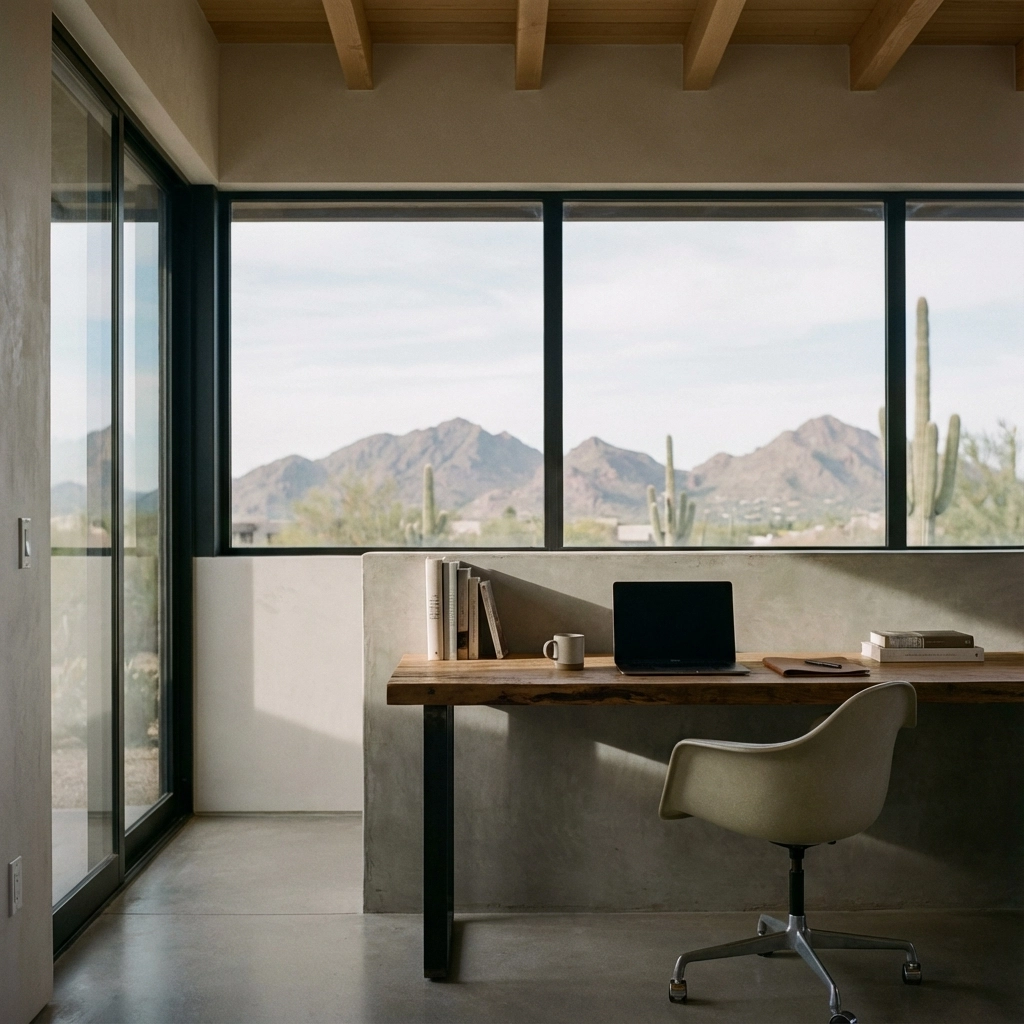
The trend also affects renovation and remodeling patterns. Homes in established neighborhoods are being updated with home office spaces, high-speed internet infrastructure, and outdoor living areas that can function year-round in Phoenix's climate.
The second-order effects
Perhaps the most significant long-term impact involves companies that have no direct connection to semiconductors but benefit from the ecosystem TSMC creates.
Financial services firms are expanding Phoenix operations to serve the growing tech sector. Legal practices specializing in intellectual property, international trade, and technology transactions are establishing significant presences. Marketing agencies, design firms, and consulting companies are following their clients to the Valley.
Each of these expansions creates its own real estate demand, often in different parts of the metro area than the manufacturing operations themselves.
The pattern is familiar from other tech hubs, but it's happening faster in Phoenix because the scale of TSMC's investment gives companies confidence that the ecosystem will persist and grow.
What this means for different neighborhoods
The impact varies significantly by area, but few parts of the Valley remain completely unaffected.
North Phoenix and North Scottsdale see the most direct pressure from workers who want reasonable commutes to the fab sites. But these areas were already experiencing strong demand, so the change is more about pace than direction.
Central Phoenix neighborhoods gain attractiveness for tech workers who prioritize urban amenities over suburban space. Areas with good restaurant scenes, cultural venues, and some walkability become more competitive with traditional suburban choices.
East Valley locations near Sky Harbor gain appeal for workers who travel frequently to Asia or other TSMC operations. The improved airport connectivity makes previously inconvenient locations more practical.
Even outer suburban areas benefit from the general economic growth and population increase that TSMC's investment drives. More people with higher incomes create demand for services, retail, and housing throughout the region.
The changes happen gradually, but they compound. Each new company that relocates or expands creates demand for housing, office space, and commercial services. Each new resident with higher disposable income supports local businesses and amenities that make the area more attractive to the next wave of arrivals.
You won't necessarily notice these shifts month to month, but over the next several years, they'll reshape which neighborhoods command premium pricing and which types of properties become most sought after across the Valley.
Image Brief for Jordan:
Suggested local photo style: Capture the contrast between traditional Phoenix development and newer mixed-use projects. Consider shots of: 1) CityNorth or similar mixed-use development showing office/retail/residential integration, 2) Central Phoenix neighborhoods where tech professionals are choosing urban lifestyle over suburban sprawl, 3) Sky Harbor or infrastructure improvements that connect Phoenix globally, 4) Modern office buildings in Scottsdale that house expanding tech companies, 5) Residential areas being updated with home office spaces and outdoor living designed for year-round use. Focus on architecture and environment rather than people, emphasizing the physical transformation of place rather than corporate messaging.