
You expect more choices to mean better prices. That's how most markets work.
Phoenix housing isn't most markets.
The Valley has seen inventory climb steadily over the past year. More signs in yards, more listings online, more options for buyers scrolling through their apps. Yet pricing has held remarkably steady, leaving many wondering what they're missing.
The answer lies in something most people overlook: demand never actually disappeared.
The steady pull of population
Phoenix continues drawing new residents at a pace that absorbs the increased inventory almost as quickly as it appears. The jobs keep coming, the tax advantages remain real, and the cost of living still beats most major metros by a wide margin.
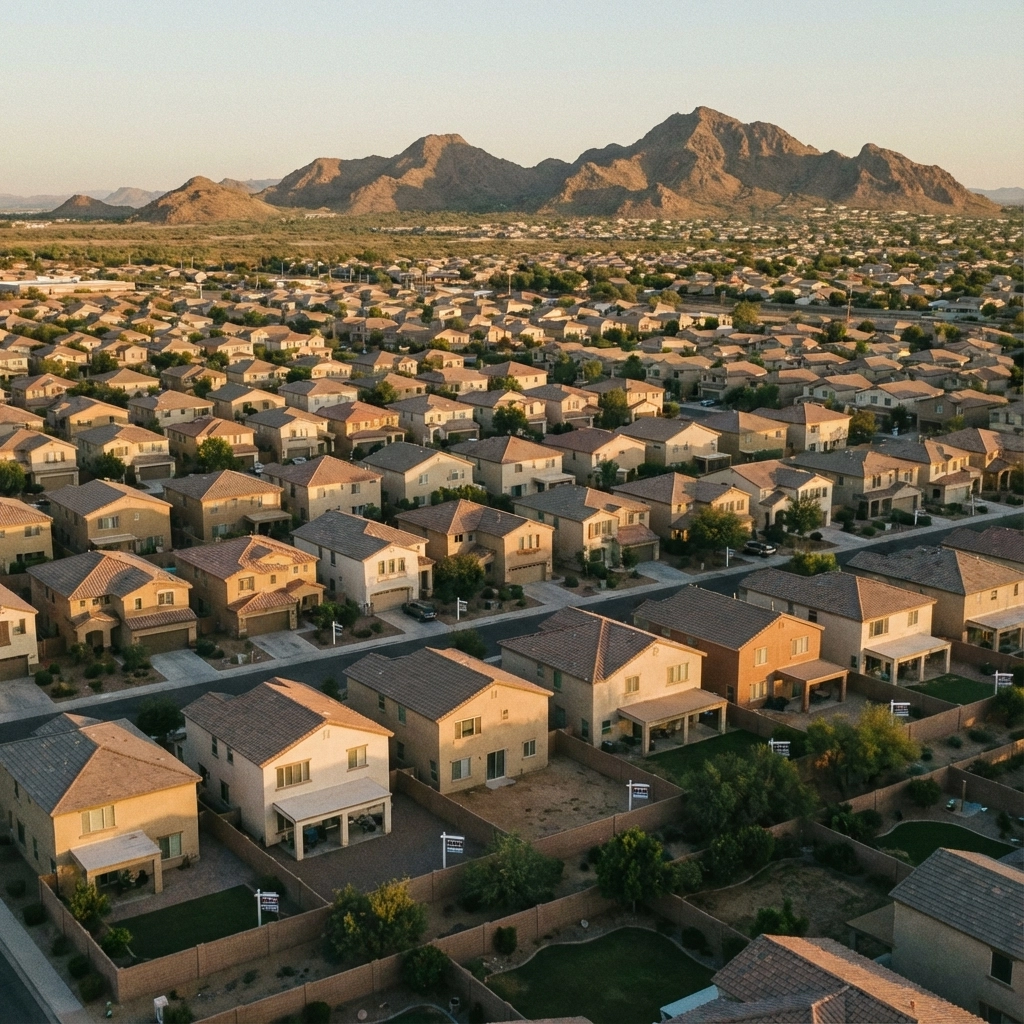
This isn't speculative demand from investors or second-home buyers. It's people moving for work, for weather, for the simple math of what their paycheck buys them here versus there.
When you have 70,000 new residents arriving annually, even a significant inventory increase feels manageable. The market isn't flooded: it's finally breathing.
What three months of supply actually means
Phoenix currently sits at roughly three months of inventory. That number sounds balanced, and it is. But balanced doesn't mean buyer-favorable.
Three months represents the sweet spot where neither buyers nor sellers hold overwhelming leverage. Homes take longer to sell: averaging 64 to 71 days now compared to the frantic weeks of 2021: but they're not sitting indefinitely.
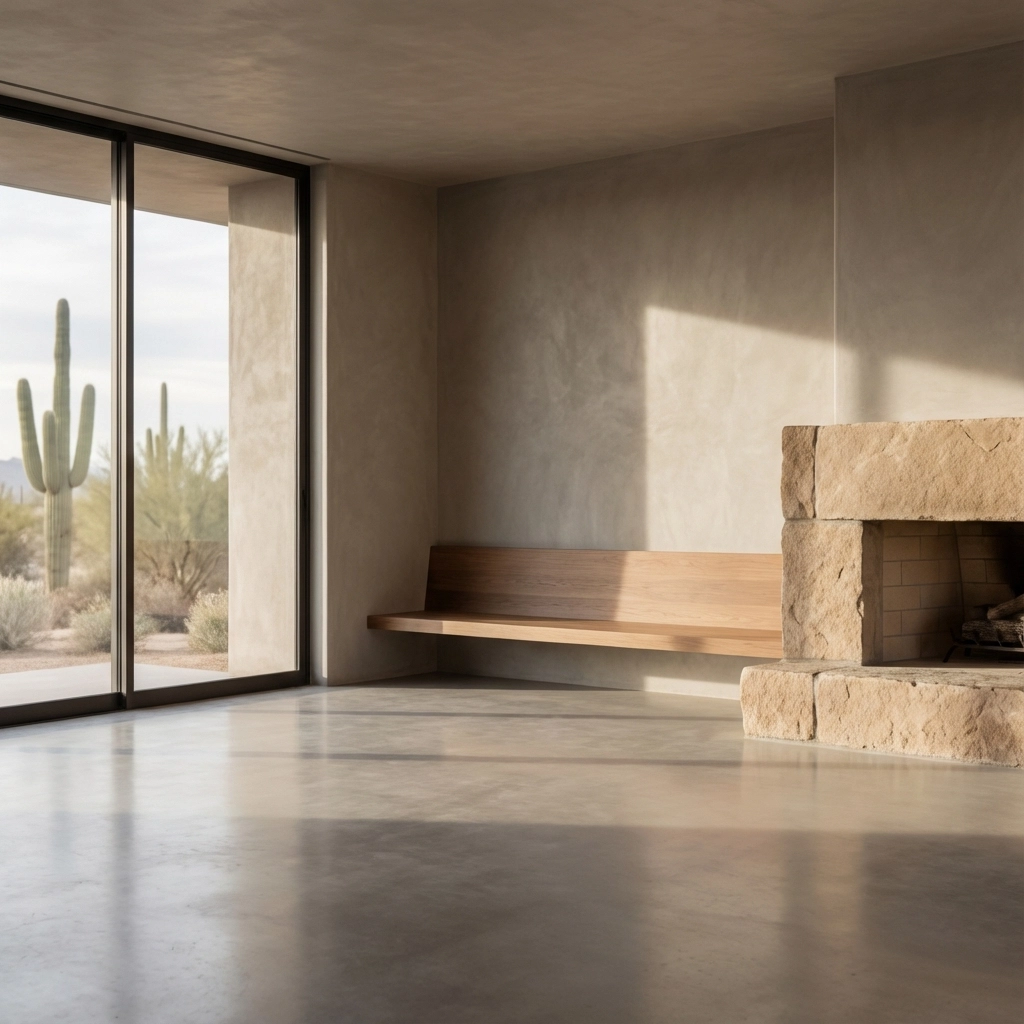
You get more time to consider. Less pressure to decide within hours of a showing. The ability to negotiate on things like inspection timelines or closing dates. These improvements in process don't automatically translate to improvements in price.
The price segment divide
The inventory increase hasn't affected all price ranges equally.
Homes under $450,000 still move quickly. This segment represents the entry point for many first-time buyers and the target range for investors. Competition remains fierce because demand here stays consistently strong.
The $450,000 to $800,000 range offers the most balanced conditions. You'll find legitimate negotiation opportunities, especially for homes that need updates or lack standout features. Sellers in this range often price more aggressively upfront, knowing they can't rely on bidding wars.

Above $800,000, the dynamics shift again. Higher inventory gives luxury buyers genuine choice, but quality properties still command premium pricing. The difference is that mediocre homes at this level sit longer than they used to.
The new negotiation landscape
More inventory has changed the conversation between buyers and sellers, even when it hasn't changed the final numbers.
Seller concessions have returned. Things like covering closing costs, including appliances, or agreeing to pre-listing repairs. These concessions add real value without adjusting the sale price directly.
You also see more flexible terms. Sellers accommodating buyer timelines, agreeing to rent-backs, or allowing extended inspection periods. The transaction becomes more collaborative and less dictated by whoever holds the most leverage.
This shift feels significant when you're in it, but the financial impact often balances out. A $50,000 concession on a $650,000 home still leaves you paying $600,000: hardly the dramatic savings many expected from increased inventory.
Condition matters more now
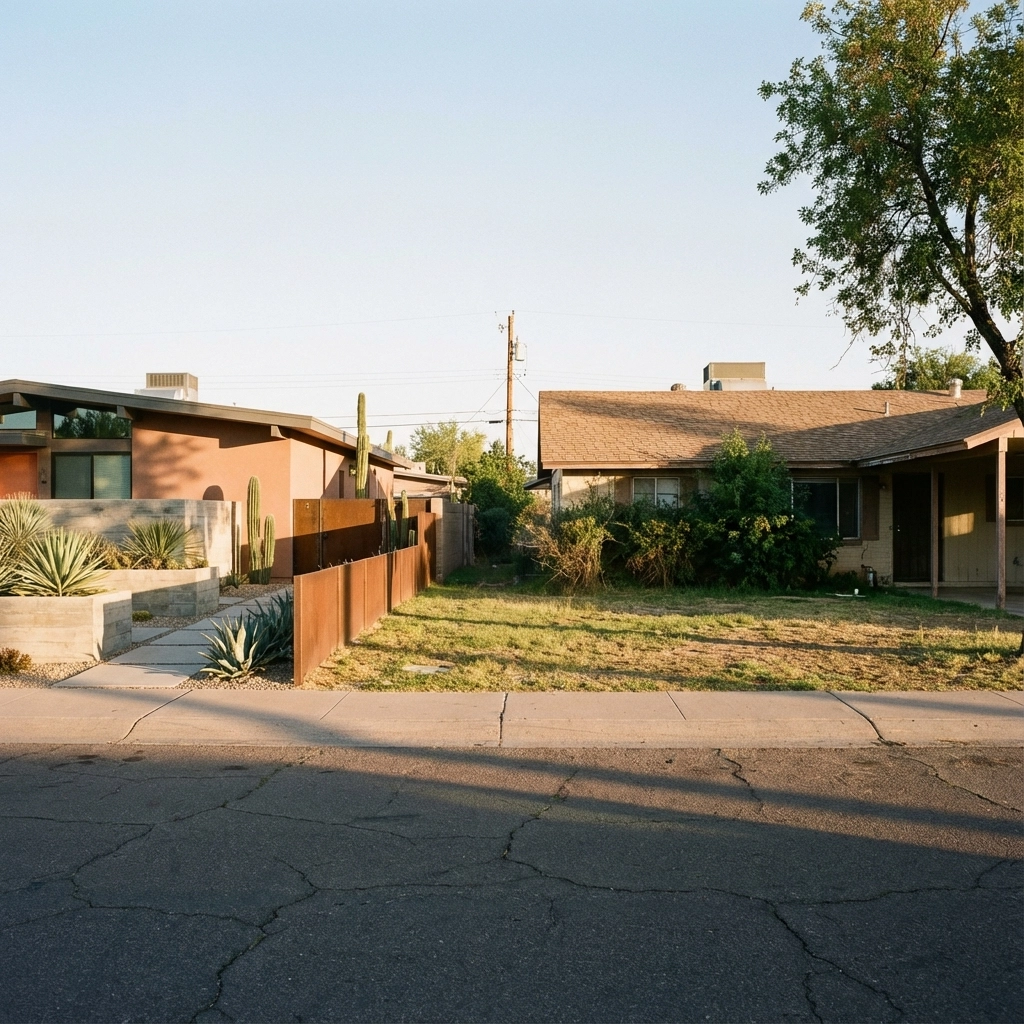
The inventory increase has created a clear divide between homes that show well and those that don't.
Updated kitchens, fresh paint, and clean landscaping move almost as quickly as they did in the tight market. Homes with deferred maintenance, dated interiors, or obvious flaws sit noticeably longer.
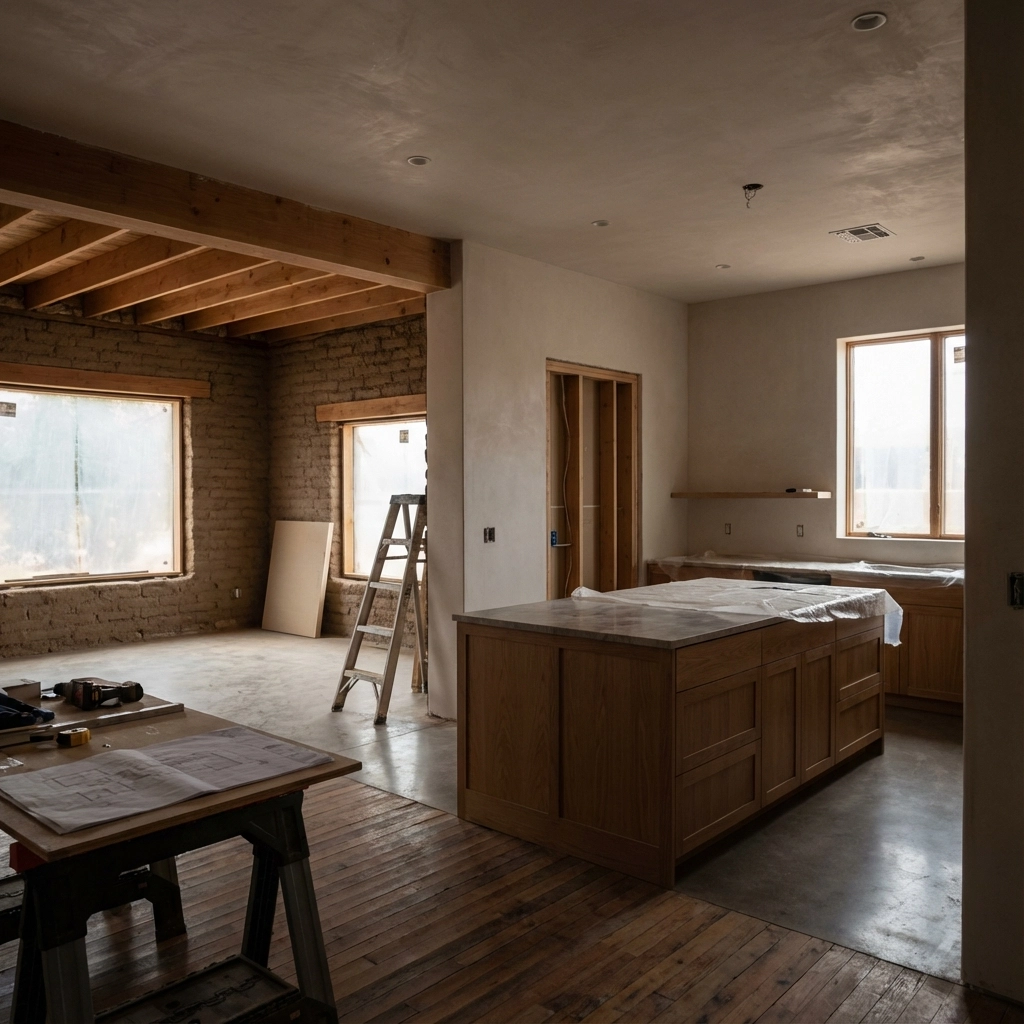
This dynamic benefits buyers willing to take on projects, but it also means turnkey homes command consistent premiums. The middle ground: properties that need some work but aren't complete renovations: offers the best negotiation opportunities.
The persistence of Phoenix fundamentals
Behind all the inventory talk, Phoenix's core advantages remain unchanged.
The job market continues expanding, particularly in tech and manufacturing. The climate allows for year-round outdoor living. Housing costs, while no longer bargain-level, still provide better value than most major metros.
These fundamentals explain why increased inventory hasn't triggered price drops. Demand may have moderated from the pandemic peaks, but it never collapsed. People still want to live here, and they're still willing to pay market rates to do so.
What buyers actually gain
The inventory increase has delivered real benefits, just not the ones most people expected.
You get time to be selective. The ability to compare multiple properties without feeling rushed. Room to negotiate on terms that matter to your specific situation.
You also gain leverage in areas beyond price. Better access to preferred inspection companies, more flexibility on closing dates, and sellers who are genuinely motivated to make deals work.
These improvements in the buying experience represent meaningful progress, even when they don't show up as dramatically lower prices.
The new normal
Phoenix has settled into something resembling a normal real estate market: a concept that felt foreign just a few years ago.
Homes are priced based on their actual merits rather than pure scarcity. Buyers can take reasonable time to evaluate properties. Sellers need to prepare their homes thoughtfully rather than relying on desperation bidding.
This environment rewards knowledge and preparation over speed and risk tolerance. The question isn't whether you can afford to buy in Phoenix: it's whether you understand what makes one property worth more than another in this specific market.
The inventory surge has brought clarity, not chaos. More choices haven't created better deals, but they've created better decision-making conditions. For many buyers, that turns out to be exactly what they needed.
Image Brief: Source local Phoenix real estate photography that captures the current market reality. Look for: recent "For Sale" signs in established neighborhoods showing multiple properties available (demonstrating inventory increase), a mix of updated vs. dated homes to illustrate the condition divide, busy construction sites showing ongoing development, and diverse price-point neighborhoods from entry-level to luxury areas. Avoid generic stock photos: focus on authentic Phoenix neighborhoods that readers would recognize, with clear desert landscaping and mountain backdrops that establish the local context.